

How to Choose the Right 3D Printing Material for Functional Prototypes and End-Use Parts
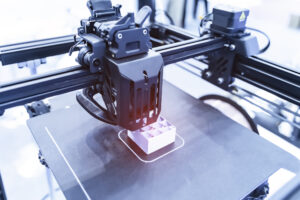
Selecting the right 3D printing material is one of the most critical decisions in any additive manufacturing project. A well-designed part can fail in testing—not because of geometry, but because the material wasn’t matched to its real-world application.
For functional prototypes and end-use parts, material selection must go beyond appearance. Mechanical performance, heat resistance, chemical stability, and long-term durability all play a role in determining success.
At ProTek Models, material selection is approached strategically to ensure parts perform exactly as intended.
Start with the Application, Not the Printer
The first step in material selection is defining how the part will function.
Important questions include:
- Will the part experience mechanical load or impact?
- Is heat resistance required?
- Will it be exposed to chemicals, fuels, or UV light?
- Does it need to be lightweight but stiff?
- Is electrical conductivity or ESD protection required?
Answering these questions determines whether the solution lies in FDM thermoplastics or high-performance DLP/SLA resins.
Engineering-Grade Thermoplastics for Strength and Durability
FDM 3D printing offers a wide range of engineering-grade thermoplastics suitable for demanding environments.
For example:
- ABS-M30 or ASA – Ideal for durable prototypes and outdoor applications
- Nylon 12 or Nylon 12CF – Excellent for toughness, fatigue resistance, and stiffness
- Polycarbonate (PC) – Strong and heat-resistant for functional testing
- ULTEM 9085 or 1010 – High-performance materials with exceptional thermal and chemical resistance
- Antero (PEKK) – Advanced aerospace-grade material with high strength and low outgassing
These materials are commonly used for tooling, brackets, enclosures, production fixtures, and even end-use automotive and aerospace components.
Choosing the correct thermoplastic ensures parts withstand real operating conditions instead of failing prematurely.
When Surface Finish and Detail Matter Most
For parts requiring exceptional resolution and smooth surface finish, DLP/SLA technologies may be the better option.
Modern high-performance resins now offer:
- Improved impact resistance
- Higher heat deflection temperatures
- Enhanced durability
- Fine detail and precision
Materials such as xABS, xPP, or xPEEK resins allow engineers to produce highly detailed prototypes or short-run production components with outstanding surface quality.
At ProTek Models, advanced LSPc-based DLP/SLA systems enable ultrafast production speeds without sacrificing mechanical integrity.
Balancing Cost, Volume, and Performance
Material selection also depends on production volume and budget.
For low-volume production runs, urethane casting may provide the most cost-effective path while maintaining injection-molded-like quality. For larger production or structural parts, high-performance FDM materials may deliver superior long-term value.
The key is balancing:
- Mechanical requirements
- Environmental exposure
- Production quantity
- Lead time expectations
- Budget constraints
An experienced additive manufacturing partner evaluates all of these variables before recommending a solution.
Avoiding Costly Reprints and Delays
One of the most common mistakes in additive manufacturing is selecting a material based solely on availability or familiarity. Reprinting parts due to material mismatch wastes time and money.
Working with a team that understands the mechanical, thermal, and chemical properties of each material ensures:
- Fewer iterations
- Faster validation cycles
- Greater confidence in testing
- Improved production outcomes
At ProTek Models, every project begins with a careful review of CAD files, intended use, and performance requirements. This consultative approach helps engineers avoid unnecessary delays and achieve predictable results.
Precision Material Selection Drives Performance
The power of additive manufacturing lies not just in design freedom—but in material flexibility. With dozens of production-grade thermoplastics and high-performance resins available, selecting the right material transforms a prototype into a reliable functional component.
If you are developing a functional prototype or planning end-use production parts, contact ProTek Models to discuss your application requirements. The right material choice today can prevent performance failures tomorrow—and ensure your parts meet expectations from the first print onward.