

How Automotive Teams Use 3D Printing to Accelerate Testing, Iteration, and Low-Volume Production
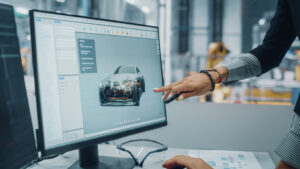
Automotive development has always required speed, precision, and constant innovation. From concept vehicles to high-performance racing components, engineers must test, refine, and validate designs quickly while maintaining strict performance standards. Traditional manufacturing methods often slow down this process due to expensive tooling, long production timelines, and limited flexibility.
Today, automotive teams are increasingly turning to 3D printing to accelerate design cycles, reduce costs, and produce functional parts faster than ever before. At ProTek Models, advanced additive manufacturing technologies allow automotive engineers to prototype, test, and even produce low-volume parts using high-performance engineering materials.
Why Automotive Development Demands Speed
Modern automotive engineering is highly competitive. Designers and engineers must move from concept to testing as quickly as possible while minimizing production risks. Every delay in development can impact timelines, budgets, and ultimately the competitiveness of a new vehicle or component.
Traditionally, creating custom automotive parts meant relying on machining or injection molding, both of which require expensive tooling and long lead times. If a design needed modification, engineers often had to repeat the entire process.
3D printing eliminates many of these limitations by allowing engineers to produce parts directly from CAD models with minimal setup time.
Rapid Prototyping for Faster Vehicle Development
One of the most valuable applications of 3D printing in the automotive industry is rapid prototyping. Engineers can quickly produce parts for fitment testing, aerodynamic evaluation, and functional analysis without waiting weeks for conventional manufacturing.
Examples of automotive prototypes commonly produced with 3D printing include:
- Dashboard components
- Air intake systems
- Mounting brackets
- Sensor housings
- Interior trim parts
These prototypes allow engineers to physically evaluate how components interact within the vehicle, revealing potential issues that may not appear in digital simulations alone.
By producing prototypes quickly, design teams can iterate multiple times and refine their designs before moving into production.
Testing Performance with Functional Parts
Modern 3D printing technologies use high-performance thermoplastics capable of withstanding demanding automotive conditions. Materials such as Ultem, Nylon composites, and polycarbonate blends offer excellent strength, heat resistance, and durability.
This makes it possible to produce functional automotive components for real-world testing. In some cases, these parts can be installed directly into vehicles for performance evaluation or dyno testing.
Functional printed components are often used for:
- Engine bay components
- Cooling and air flow ducts
- Structural brackets
- Racing performance parts
With the right materials and engineering expertise, these parts can perform reliably under demanding mechanical and thermal conditions.
Supporting Low-Volume Automotive Production
Not every automotive component requires large-scale production. Custom vehicles, specialty builds, motorsports applications, and aftermarket upgrades often require only small production runs.
Traditional manufacturing methods become inefficient for these types of projects because tooling costs are spread across fewer parts.
3D printing provides an ideal solution for low-volume production because parts can be produced on demand without requiring expensive molds or tooling. This allows manufacturers to produce limited runs of custom parts while maintaining consistent quality.
Examples of low-volume automotive components produced through additive manufacturing include:
- Bumpers and aerodynamic elements
- Interior components and trim pieces
- Prototype dashboards and consoles
- Custom mounts and brackets
By eliminating tooling requirements, manufacturers gain the flexibility to produce parts when needed while keeping costs manageable.
Improving Design Flexibility
Another advantage of 3D printing in automotive development is design freedom. Engineers can create complex geometries that would be difficult or impossible to produce using traditional machining methods.
This includes:
- Lightweight structures
- Internal air channels
- Complex aerodynamic shapes
- Integrated mounting features
Designers can experiment with new ideas, test multiple configurations, and refine performance without being constrained by traditional manufacturing limitations.
Partnering With Experienced 3D Printing Specialists
Successful automotive 3D printing requires more than just advanced machines. Material selection, engineering expertise, and finishing processes all play critical roles in producing reliable components.
At ProTek Models, our experienced technicians work with automotive engineers to produce high-quality prototypes, functional components, and low-volume production parts using advanced FDM 3D printing technology.
From design validation to production-ready parts, our team ensures each project meets the required performance standards and specifications.
If you are developing automotive components or testing new designs, contact ProTek Models at (832) 968-6636 to learn how advanced 3D printing solutions can help accelerate your next automotive project.